What are the 7 steps of cleaning?
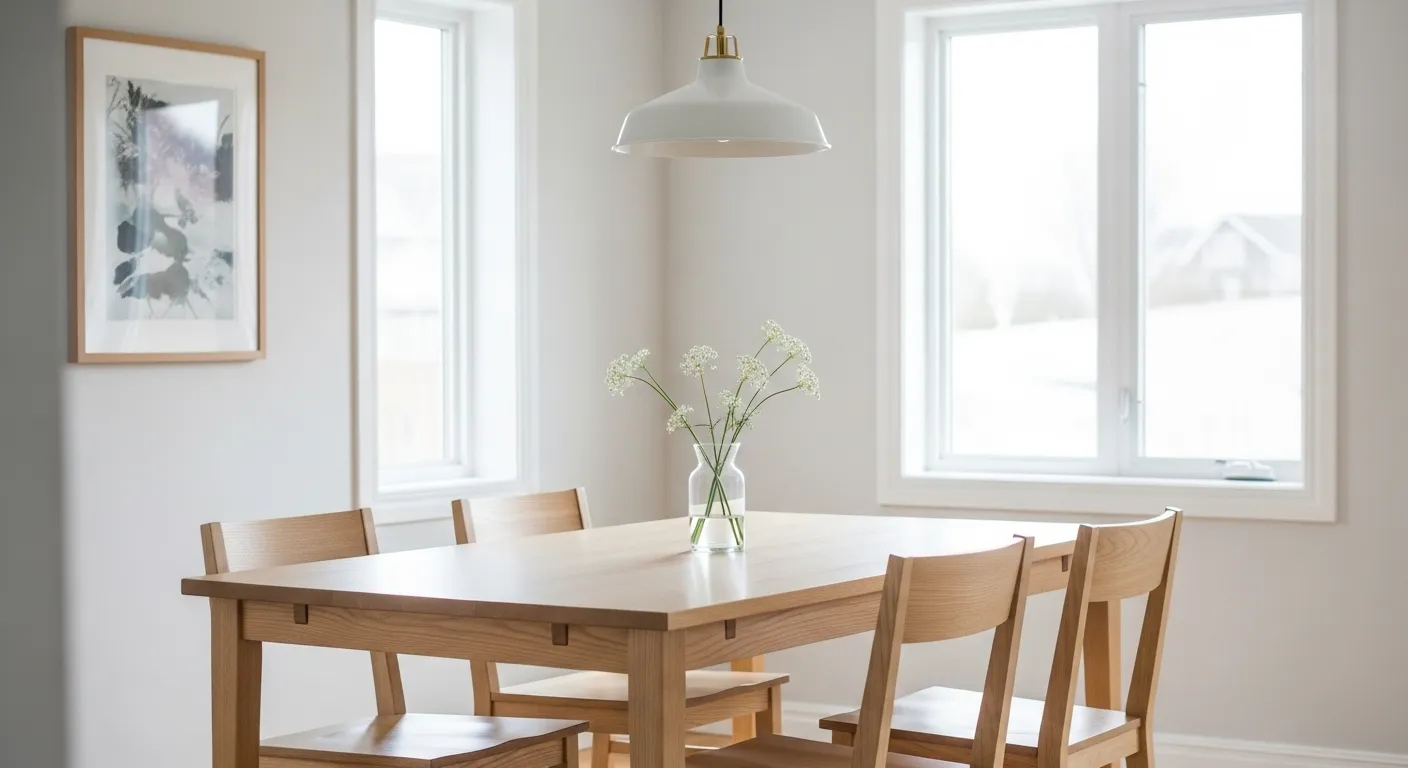
What are the 7 steps of cleaning?
The seven steps of cleaning include: 1) Preparation – removing clutter and gathering cleaning supplies; 2) Dusting – addressing surfaces from top to bottom; 3) Vacuuming – removing debris from carpets and floors; 4) Mopping – cleaning hard surfaces with appropriate cleaners; 5) Sanitizing – disinfecting high-touch areas to eliminate germs; 6) Organizing – placing items back in their designated areas; and 7) Final Inspection – ensuring the area meets cleanliness standards before considering the task complete.
What are the 7 Steps of Cleaning?
The Importance of a Cleaning Routine
Establishing a cleaning routine can significantly enhance your home environment and reduce daily stress. Clutter can lead to feelings of overwhelm and anxiety, making home management a real challenge. By following a systematic approach to cleaning, you can make the process efficient and less daunting. Here, we’ll explore the 7 steps of cleaning that will help you achieve a tidy and serene living space.
Step 1: Gather Your Supplies
The first step in any cleaning process is to ensure you have all the necessary supplies at hand. This saves time and prevents distractions during your cleaning session. Here’s a checklist of essential cleaning items:
- All-purpose cleaner
- Glass cleaner
- Microfiber cloths
- Sponges and scrub brushes
- Trash bags
- Vacuum cleaner or broom
- Optional: Rubber gloves, mop, and bucket
Gather these items in a portable caddy so you can easily transport them from room to room. When you have everything you need upfront, you won’t be sidetracked by searching for tools mid-clean.
Step 2: Declutter Each Room
Before you start scrubbing surfaces, take a moment to declutter. Set a timer for 10-15 minutes per room to keep it efficient. As you move through each space, focus on removing items that don’t belong or those that are out of place. Use the four-box method:
- Keep: Items you use regularly.
- Donate: Items in good condition that you no longer need.
- Trash: Broken or unusable items.
- Relocate: Things that belong in another room.
By first tackling the clutter, you create a more manageable space for thorough cleaning. You’ll also be surprised at how decluttering can instantly lighten the mood in your home!
Step 3: Dust Surfaces from Top to Bottom
Now that your space is decluttered, it’s time to focus on dusting. Begin at the highest points in the room (such as ceiling fans, shelves, and light fixtures) and work your way down. This ensures that any dust or debris falls to the lower surfaces to be cleaned later. Here’s how to effectively dust:
- Use a microfiber cloth to trap dust.
- Don’t forget to dust blinds, baseboards, and window sills.
- Use a vacuum attachment for any hard-to-reach spots.
Consistency in dusting can prevent buildup and allergies, promoting a healthier indoor environment.
Step 4: Clean Windows and Mirrors
Next, it’s time to make your windows and mirrors sparkle. Clean glass surfaces regularly to enhance natural light and improve your home’s appearance. Here’s a simple method for effective cleaning:
- Spray the glass cleaner directly onto the surface.
- Use a microfiber cloth or newspaper to wipe in a circular motion.
- For streak-free results, finish with a vertical wipe followed by a horizontal wipe.
Remember, clean windows can dramatically elevate the ambiance of your home, making it feel fresher and more inviting.
Step 5: Wipe Down All Surfaces
Once your windows are spotless, shift your focus to wiping down all surfaces around the home—including countertops, tables, shelves, and cabinets. Use an appropriate cleaner for different surfaces. Here’s how:
- For kitchens, use a disinfectant to kill germs.
- In bathrooms, focus on mirrors, sinks, and countertops, utilizing a bathroom cleaner.
- Consider natural cleaning solutions like vinegar and baking soda for an eco-friendly approach.
Ensure you pay attention to high-touch areas, such as doorknobs and light switches, especially if you have young children or frequent guests.
Step 6: Vacuum and Mop Floors
Your floors can collect dirt and debris quickly. Once all surfaces are cleaned, it’s time to give your floors a thorough clean. Follow these steps:
- Start by vacuuming carpets and rugs, using proper attachments for corners and edges.
- If you have hardwood or tile, follow up with mopping. Use a damp mop with a recommended cleaner for your specific flooring material.
- For deep cleaning, consider renting a carpet cleaner occasionally to keep your carpets fresh.
Aclean floor not only improves the overall look of your home but also contributes to a more hygienic living space.
Step 7: Final Touches and Organizing
After completing the major cleaning tasks, it’s time for the final touches. This step is all about making your space feel finished:
- Replace any items previously moved during cleaning.
- Consider light decluttering and organizing any visible spaces.
- Add personal touches, such as fresh flowers or scented candles, to enhance the atmosphere.
Now, take a moment to enjoy your hard work. A clean home is a tremendous accomplishment and can greatly enhance your state of mind!
Tips for Maintaining Your Cleaning Routine
- Create a Cleaning Schedule: Block out time on your calendar to tackle cleaning tasks weekly or monthly.
- Follow the 15-Minute Rule: If a cleaning task takes less than 15 minutes, do it right away.
- Set Up a Zone System: Divide your home into zones and focus on one area at a time. This helps avoid feeling overwhelmed.
- Involve Family Members: Share cleaning responsibilities among household members to make the workload lighter.
By integrating these cleaning routines into your daily life, you can reduce clutter, improve time management, and work toward achieving a stress-free home environment.
Conclusion
Cleaning may feel like an overwhelming task, especially with a busy lifestyle, but breaking it down into these 7 actionable steps makes it much more manageable. Refer back to this guide whenever you feel lost or stressed by clutter. Remember, a cleaner home is a step towards a happier, more organized life!

Related Articles
Our Categories:
-
⭐ Organization & Practical Living: Seu guia fundamental para criar um lar funcional, implementar sistemas de eficiência e construir uma vida cotidiana mais organizada e livre de estresse.
-
🏠 Home Organization: Guias fundamentais e planos sistemáticos para organizar cada cômodo, garantindo um layout de casa eficiente e livre de desordem.
-
✨ Decluttering Tips: Estratégias acionáveis, conselhos de especialistas e métodos passo a passo para simplificar seu espaço, reduzir pertences e manter uma mentalidade minimalista.
-
🧼 Cleaning Routines: Checklists eficientes, truques de limpeza rápida e recomendações de produtos sustentáveis para manter uma casa limpa e brilhante sem estresse.
-
📦 Storage Solutions: Ideias criativas e práticas para maximizar cada centímetro de espaço, utilizando armazenamento vertical e investindo em recipientes inteligentes e funcionais.
-
🗺️ Room By Room Guides: Tutoriais detalhados e específicos, e checklists para organização profunda e estilo de áreas individuais como cozinha, quarto e hall de entrada.
-
💡 Daily Life Hacks: Dicas rápidas e inteligentes, e ajustes simples na rotina diária que economizam tempo, aumentam a energia e tornam a vida cotidiana mais fácil de gerenciar.
-
⏳ Time Management Basics: Métodos simples e técnicas fundamentais para planejar, priorizar tarefas, definir metas e implementar o time-blocking para maximizar a produtividade.
-
✅ Checklists And Planners: Modelos para impressão, ferramentas e sistemas para planejar refeições, manutenção doméstica, mudança e rastreamento de tarefas para manter a vida funcionando perfeitamente.

The 7 Steps of Cleaning: A Comprehensive Guide for Homeowners
Cleaning your home or office can sometimes feel overwhelming, especially when trying to maintain a budget. Following a structured approach is essential, not just to achieve effective cleanliness but also to ensure you’re not wasting money on unnecessary products. Understanding the seven essential steps of cleaning will streamline your process and improve your living or working environment significantly. Let’s break down these steps to make your cleaning efforts not only effective but also financially savvy.
The 7 Steps of Cleaning
- 1. Plan and Prepare: Determine what needs cleaning and gather necessary supplies.
- 2. Declutter: Remove items that don’t belong in the area to be cleaned.
- 3. Dust and Sweep: Dust surfaces and sweep floors to remove debris.
- 4. Clean from Top to Bottom: Always clean high surfaces first to let dirt fall.
- 5. Use Appropriate Products: Select cleaning solutions that suit the surfaces you’re cleaning.
- 6. Rinse and Dry: Ensure all surfaces are rinsed and dried to prevent residue.
- 7. Final Touches: Inspect the cleaned areas and adjust as needed.
Conclusion
By following these seven essential steps of cleaning, you not only ensure a thorough job but also save money in the process. Whether you’re cleaning your home or workspace, this structured approach will enhance your productivity and maintain a favorable environment. Remember, a clean space leads to a clearer mind, allowing you to focus on what really matters, including your financial goals. Start implementing these steps today, and you’ll soon enjoy a refreshed and organized space without breaking the bank!
Frequently Asked Questions
What is the first step in the cleaning process?
The first step is to plan and prepare by deciding what areas need cleaning and gathering the necessary supplies for the task.
Why is decluttering important?
Decluttering is crucial because it removes items that don’t belong, making the actual cleaning process much easier and more efficient.
How can I effectively dust my home?
Use microfiber cloths or dusters to capture dust particles. Always dust from higher surfaces to lower ones to avoid re-cleaning areas.
Should I clean high surfaces first?
Yes, cleaning high surfaces first allows dirt and debris to fall down, ensuring that lower surfaces remain clean throughout the process.
What cleaning products should I use?
Choose products that are appropriate for the specific materials you’re cleaning. For instance, use wood cleaners for wooden surfaces and disinfectants for bathrooms.
Is rinsing necessary after cleaning?
Yes, rinsing is essential to remove any cleaning solution residue, which can attract dirt if left uncleaned.
How can I make cleaning more efficient?
Team up with others, set a timer for each task, and use a checklist to stay organized and motivated throughout the cleaning process.
How often should I clean my house?
It’s best to perform light cleaning weekly and deep clean monthly to maintain a fresh and healthy living environment.
What are the best practices for cleaning windows?
Use a glass cleaner or a vinegar-water solution, and clean from top to bottom to avoid streaks. A microfiber cloth is ideal for a streak-free finish.
Can I clean without chemicals?
Absolutely! Many natural alternatives, like vinegar and baking soda, are effective cleaners and are often more cost-effective than commercial products.
What should I do after cleaning?
Once you’ve finished cleaning, take time to inspect the area, ensure everything is in its place, and make any necessary adjustments.
How can I motivate myself to clean?
Set small, manageable goals, create a playlist, or reward yourself with something enjoyable once the cleaning is completed.
Is it necessary to have a cleaning schedule?
A cleaning schedule helps maintain consistency and ensures that all areas of your home receive the attention they need regularly.
How do I maintain cleaning productivity?
Minimize distractions, utilize timers for tasks, and break the cleaning process into segments to avoid fatigue and loss of focus.
Can hiring a cleaning service be beneficial?
Yes, especially if you’re short on time or need a thorough deep clean. Evaluate your budget to determine if hiring professionals is feasible.